GREAT NEWS!
The Friends of the Baraboo River has been awarded a $5,000 grant from the Alliant Energy Foundation to assist with ADA compliance at the new Baraboo River launch planned near Hwy 136 and Beth Road. We are so thrilled to be working with Sauk County LRE on this project! Thank you Alliant Energy Foundation!
Lazy Beaver Race: a 26 year success story!
The weather was nearly perfect last Saturday, July 25 as 24 boats were competing in the Lazy Beaver Canoe and Kayak Race last Saturday on the Baraboo River between LaValle and Reedsburg. The race attracted paddlers from five states and the largest number of serious racers in the 26 year history of the race.
First time entrant Robert Michalec of Bark River, Michigan was the fastest paddler, completing the 11+ mile race in two hours and two minutes in his kayak. It was an impressive time, given the fact the river was at its lowest water level ever for the Lazy Beaver. The father-son team of Brad and Stephen Roosma of Lodi, overall champions of the race in 2024 and 2025, paddled the fastest canoe, finishing in two hours, 15 minute and 20 seconds. They also won the Adult/Child Canoe division.
Other division winners were Sharon Page (Women’s Kayak), Marianne Wolda and Derrick DeYarman (Tandem Kayak and Best Decorated), Richard Reinders (Solo Canoe), and Rebecca Cies (Older that Dirt Kayak).
Sponsored by the Reedsburg Kiwanis, the Lazy Beaver promotes recreation on the Baraboo River and uses proceeds from the race for river-related efforts and youth-oriented environmental projects.
A special THANK YOU to Jeff Seering who has been organizing and making the Lazy Beaver possible for 26 years!
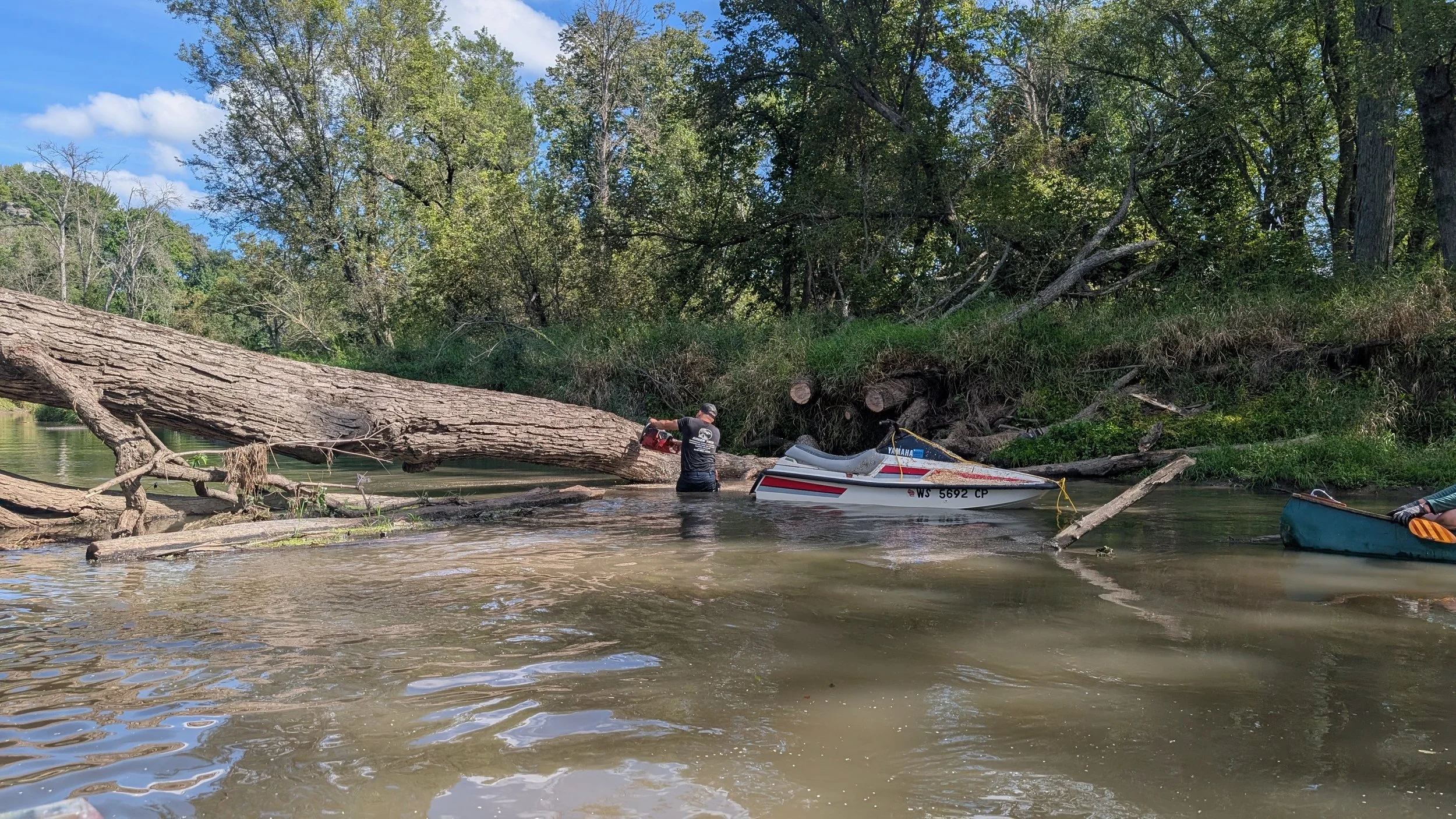
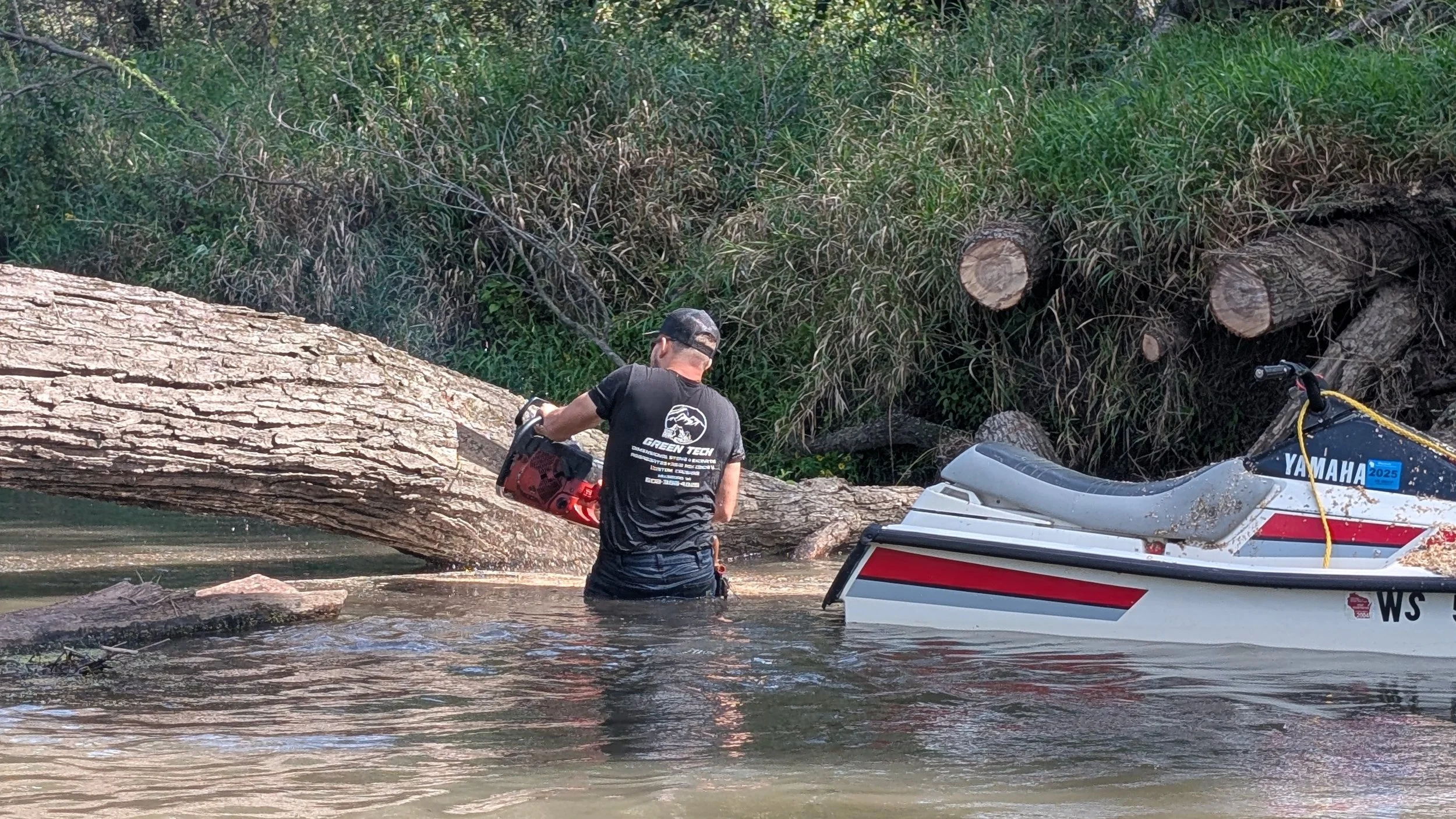
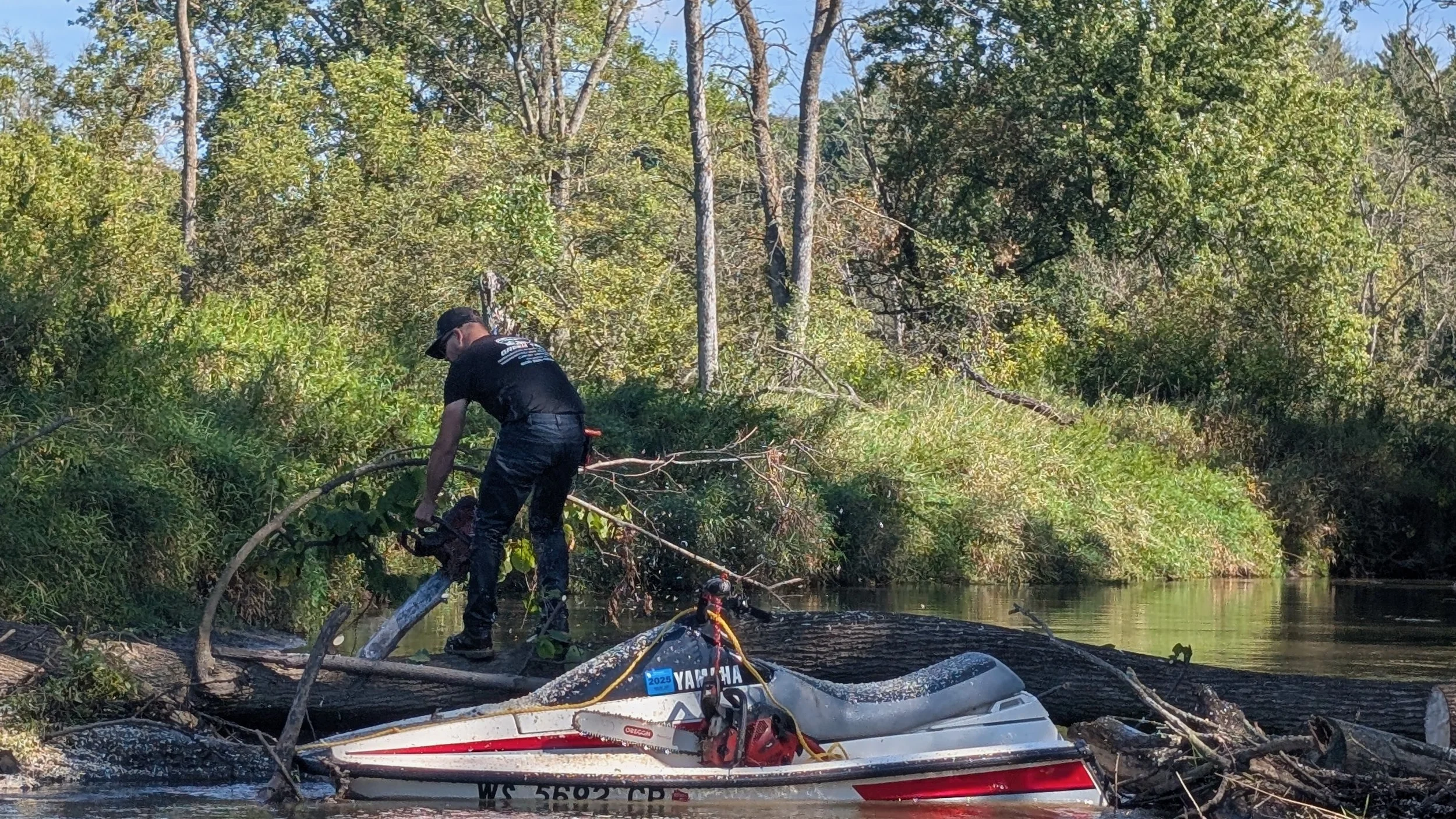
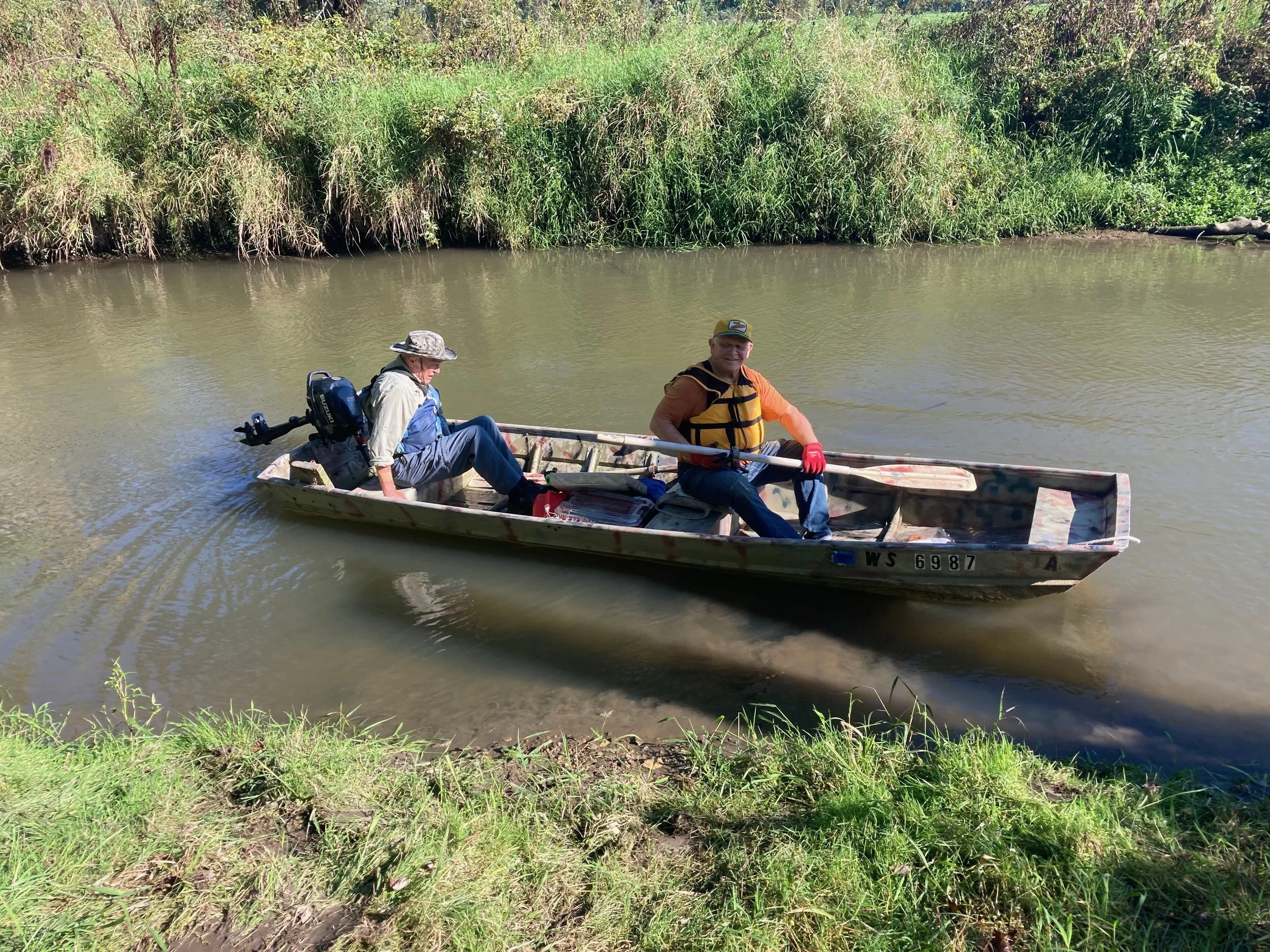
Many thanks to this mighty team of logjam clearers in preparation for the Lazy Beaver Canoe and Kayak Race
A Bit about the Boo
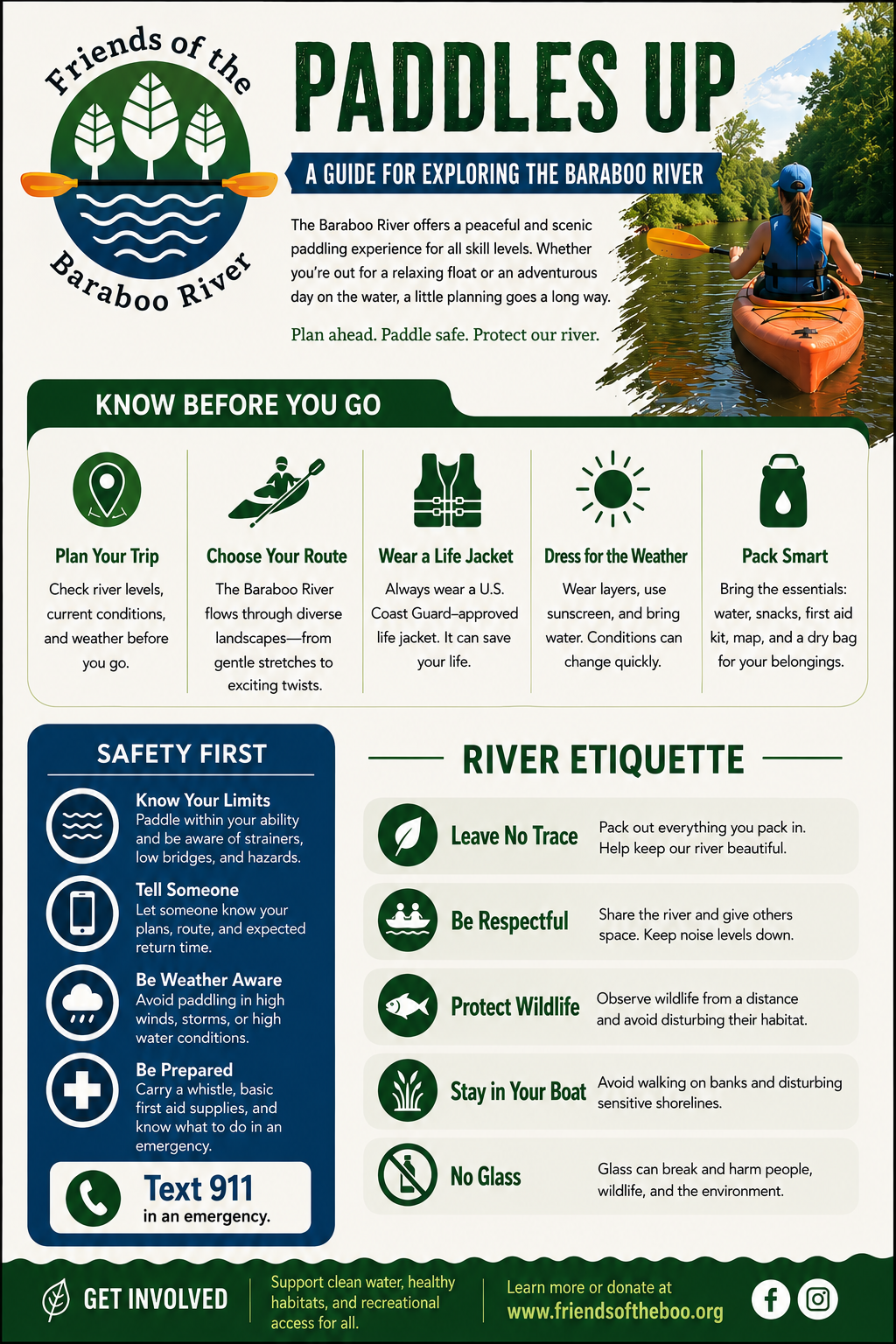
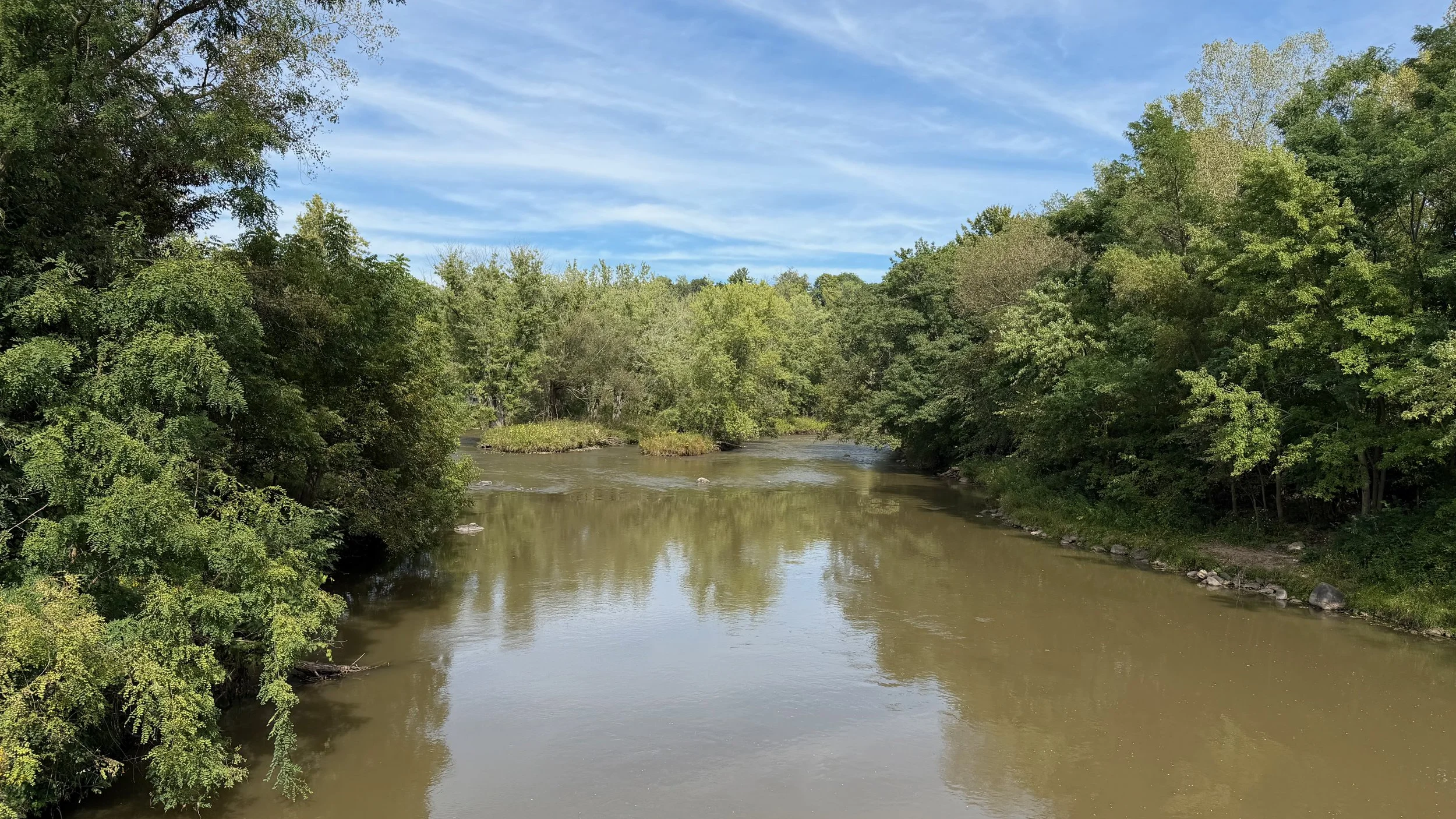
Kayaking on the Baraboo River can be a fun and memorable experience for paddlers of all skill levels. The river offers a mix of calm stretches, mild rapids, and beautiful scenery, making it a popular spot for recreational paddling.
One of the most popular sections of the Baraboo River for kayaking is the stretch between North Freedom and West Baraboo. This section is about 8 miles long and features mostly calm water with a few small rapids and riffles. The scenery along this stretch is beautiful, with lush forests, rocky bluffs, and scenic sandbars.
For more experienced paddlers, the section of the Baraboo River between West Baraboo and the City of Baraboo offers some more challenging rapids, including a Class III rapid known as "Devil's Elbow." This section is about 6 miles long and features a mix of calm stretches and rapids, as well as some scenic sandstone cliffs.
Overall, kayaking on the Baraboo River can be a great way to enjoy the natural beauty of central Wisconsin and experience some fun and exciting paddling. However, it's important to be prepared with proper gear, including a life jacket, and to be aware of the river's current conditions before setting out on your trip. You can monitor those conditions by downloading the Friends of the Baraboo River mobile app.
The Baraboo River is a DNR designated State Water Trail.
Stream Monitoring
At the request of Emily Heald (UW-Madison Division of Extension | Natural Resources Institute Rivers Educator), Rick Eilertson, volunteer with the Friends of the Baraboo River, installed thermistor devices in 3 streams that drain into the Baraboo River within Sauk and Columbia Counties (Boulder Creek, Rowley Creek, and Leech Creek) in early May 2026 to gather continuous stream temperature throughout the spring, summer, and fall months. Rick and/or other volunteers will be checking the thermistors monthly before pulling them out in late October/early November and delivering to the DNR for compiling the temperature data into DNR's stream monitoring database. This data will be correlated with the fish surveys that DNR plans to do in these 3 streams during Summer 2026.
Why This Matters
Continuous stream temperature monitoring using thermistors provides a practical and reliable way to collect real-time data about changing water conditions. A thermistor is a temperature-sensitive resistor that changes electrical resistance as temperature changes. When placed in or near a flowing stream, the thermistor can record frequent temperature readings, allowing researchers, educators, or environmental monitors to observe daily and seasonal temperature patterns. This type of continuous monitoring is more useful than occasional manual readings because it captures temperature fluctuations that may occur throughout the day or during weather events.
Stream temperature is an important indicator of aquatic ecosystem health. Many fish, insects, amphibians, and microorganisms depend on specific temperature ranges for survival, reproduction, and growth. Sudden increases in stream temperature can reduce dissolved oxygen levels and place stress on aquatic organisms. Continuous thermistor data can help identify patterns related to shade loss, runoff, groundwater input, drought, stormwater discharge, or seasonal warming. By tracking these changes over time, stakeholders can better understand whether a stream environment is remaining stable or experiencing thermal stress.
Thermistors are especially useful because they are small, relatively affordable, and capable of recording data at regular intervals over extended periods. When paired with a data logger, a thermistor can collect temperature measurements every few minutes or hours without constant human supervision. The resulting data can be graphed to show trends, compare locations along a stream, and support decisions about conservation, restoration, or land-use planning. For students and community groups, continuous stream temperature monitoring also provides a meaningful hands-on way to connect science, technology, and environmental stewardship.
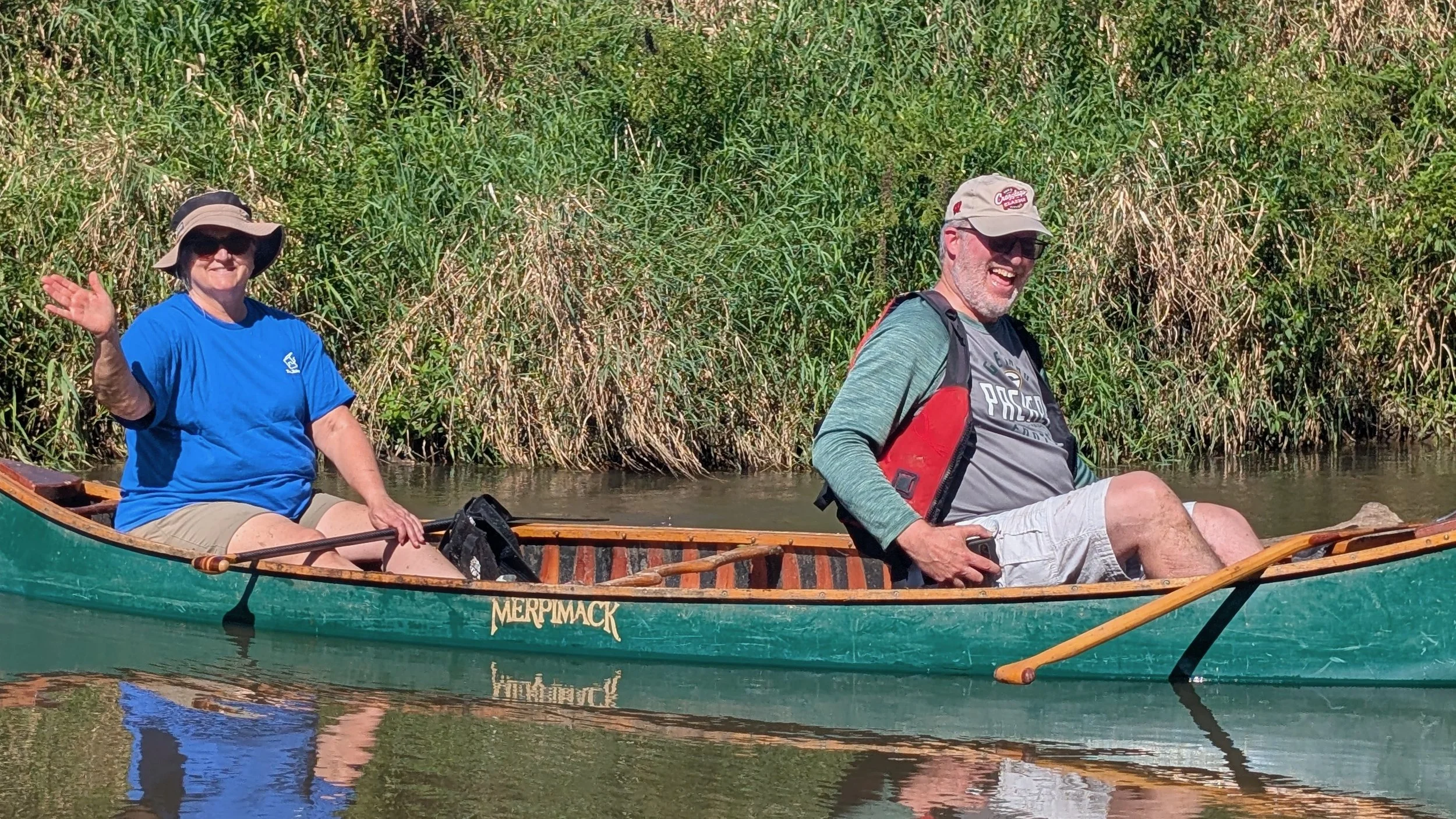
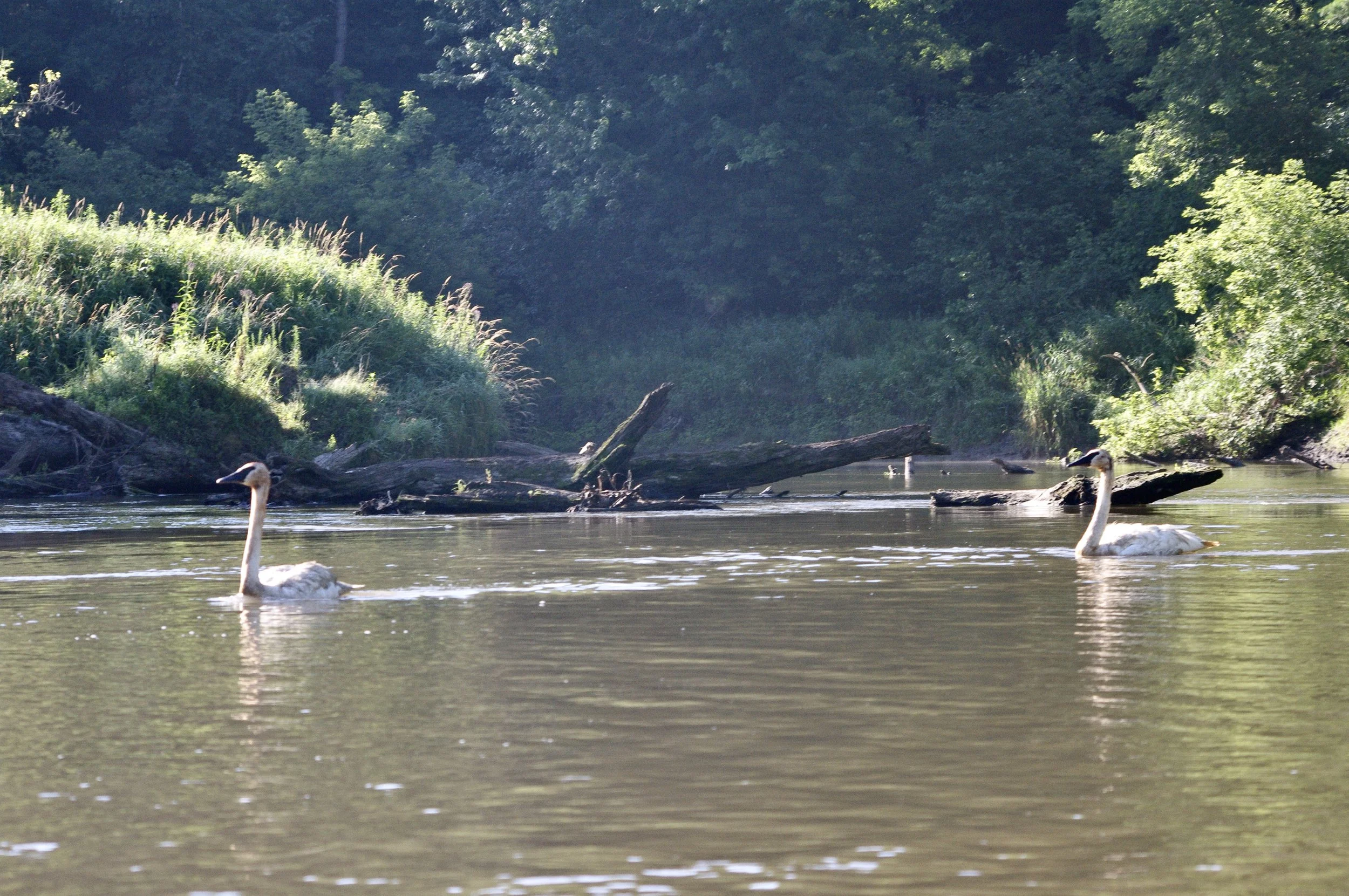
“Paddling down the ‘Boo’ with friends is a grand experience!”
Photos: courtesy Seth Taft